
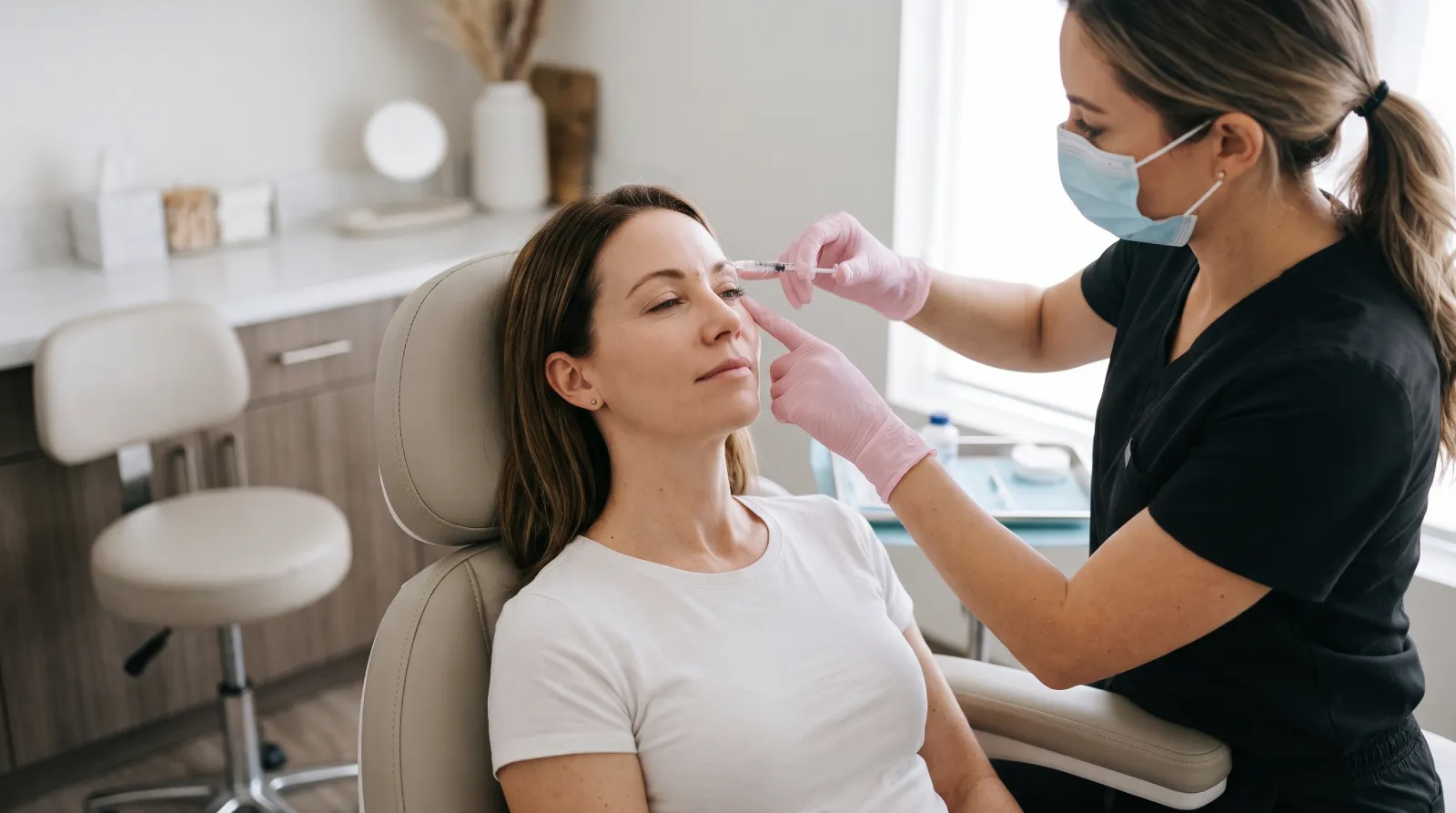
If you are wondering how long to wait for Botox touch up, contact your treating provider and arrange an assessment based on the product, treatment date, area, and concern. A follow-up visit does not automatically mean more injections are appropriate.
It is also important to distinguish early changes from the point used to evaluate the treatment result. The official BOTOX Cosmetic information states that full results for its described upper-face treatment areas are seen in 30 days. That is product-specific information, not a universal instruction to schedule additional treatment on a particular day. Official BOTOX Cosmetic FAQs.
The most useful next step is an informed conversation. Explain what you notice, follow your aftercare instructions, and let a qualified provider assess the actual treatment record before discussing a change.
Separate Follow-Up, Touch-Up, and Maintenance
These terms are often used casually, but they can describe different visits. Asking which one is being discussed helps prevent confusion.
A follow-up is an opportunity to review the treatment and your questions. The provider may examine the area, compare photographs, discuss the response, and decide whether any further action is appropriate.
A touch-up usually refers to consideration of an adjustment after an earlier treatment. It should not be assumed to be necessary, included in a price, or suitable at a particular interval without the provider’s assessment.
Maintenance concerns future treatment planning over time. It is not the same as correcting an early concern or reviewing a new symptom. Describe the reason for your appointment so the team can direct you appropriately.
Start With the Product and Treatment Record
“Botox” is sometimes used informally to describe several injectable wrinkle treatments. Tell the provider which product you received rather than assuming the same information applies to every brand.
Keep your treatment date, clinic details, and any written aftercare or appointment information. If you received treatment elsewhere, explain that when booking a review.
The product, area, previous treatments, and relevant medical information help the clinician interpret what you are seeing. A generic online answer cannot recreate that record.
Do not try to translate another person’s unit count or treatment schedule into your own plan. The purpose of gathering information is to help the provider assess your situation, not to calculate an adjustment before the consultation.
If you are unsure which product was used, Lift Bar’s Botox versus Dysport guide can help you prepare terminology questions for the treating team; your treatment record remains the reference for your own care.
Describe the Concern in Specific Terms
A statement such as “it isn’t working” can mean several things. You might be noticing movement, a difference between sides, an appearance you did not expect, or a symptom that needs a different response.
Describe the location and what happens when your face is at rest and when you make the relevant expression. Explain whether the concern is changing, staying the same, or becoming more noticeable.
Avoid diagnosing the cause yourself. A perceived difference does not establish that a particular area needs more product. The provider should evaluate the concern in context.
If you are unsure whether the issue belongs in a routine follow-up, call the clinic and describe it. Do not use an ordinary future appointment as a substitute for prompt assessment when a symptom may require more immediate attention.
Use Photographs to Support the Conversation
Consistent photographs can help you explain a cosmetic concern. Use similar lighting, camera distance, angle, and facial expression so the images are easier to compare.
Do not rely on filtered photographs or images taken from very different angles. Those differences can change the appearance you are trying to discuss.
If the clinic provided photography instructions, follow those instructions and use its appropriate communication channel. Ask before sending personal treatment images through an ordinary public social-media account.
Photographs support a consultation; they do not replace an examination or establish a treatment recommendation. A clinician may need to see movement, discuss symptoms, and review the treatment record before explaining the next step.
Understand Why an Automatic Reinjection Date Is Unhelpful
A calendar can identify when treatment occurred, but it cannot determine whether an adjustment is appropriate. Product information, the treated area, the response, and clinical judgment all matter.
A popular online rule may refer to one clinic’s follow-up practice rather than a universal recommendation. Likewise, an assessment date is not necessarily a date when more treatment should be given.
Ask the provider what the planned visit is intended to evaluate and how it relates to the product’s information. If written instructions appear inconsistent with other material, request clarification rather than choosing the earliest date.
This is particularly important when your concern involves appearance and timing. Planning around a photograph, vacation, or event does not remove the need for an appropriate clinical assessment.
Review Your Goals Without Assuming More Is Better
Return to the goal discussed before treatment. Were you hoping for a particular change in visible lines, movement, or overall appearance? Does the concern relate to that goal, or did expectations shift after looking at other results online?
Explain what you like as well as what concerns you. A provider can have a more useful conversation when the desired outcome is described clearly.
Do not treat complete lack of movement as the only measure of success unless that expectation was appropriately discussed with your clinician. Avoid comparing yourself directly with another patient’s photographs.
An informed review may lead to observation, further assessment, a discussion of limitations, or another plan. Additional injections are one possible subject of the visit, not the default conclusion that the article should promise.
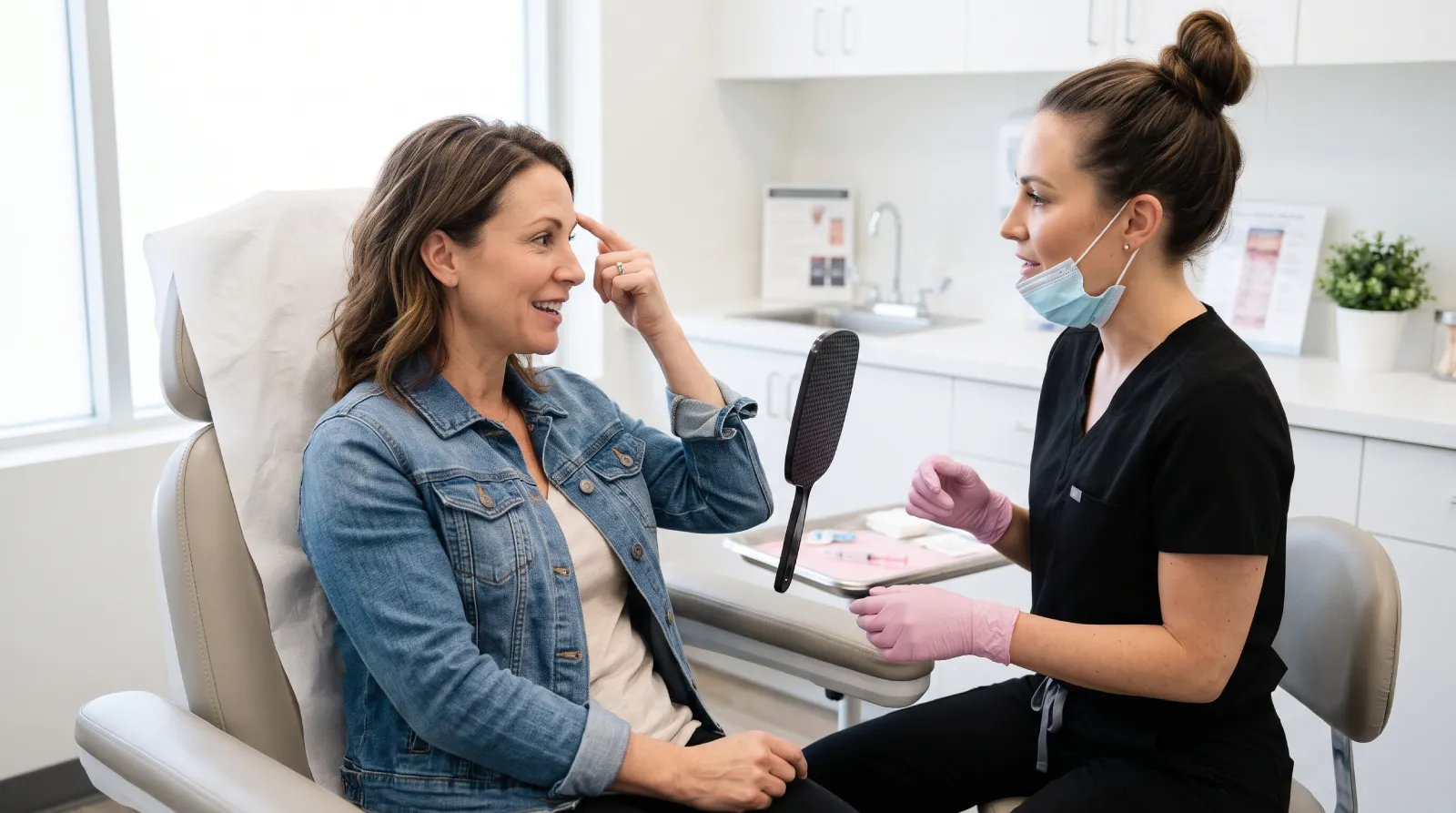
Bring Relevant Health and Treatment Information
Tell the provider about other recent injectable treatments, medicines, supplements, changes in health, and any symptoms since the appointment. Follow the clinic’s instructions about what information it needs.
Do not stop a prescribed medicine or alter an ongoing treatment because you read a general aesthetic article. Ask the prescribing professional and treating clinician when a change needs coordinated review.
Also explain if another provider has assessed the concern or suggested treatment. A complete history helps avoid decisions based on an incomplete account of what has already been done.
The consultation should be a place for accurate information, including details that may seem unrelated. Let the clinician decide their relevance instead of filtering them out yourself.
Know When a Routine Follow-Up Is Not Enough
Some concerns should not wait for a scheduled cosmetic review. The official BOTOX Cosmetic safety information instructs people to get medical help immediately for problems swallowing, speaking, or breathing after treatment. BOTOX Cosmetic safety information.
If symptoms feel urgent or severe, seek appropriate medical help rather than waiting for a text reply from an aesthetic office. For other unexpected or worsening symptoms, contact a qualified clinician promptly for instructions.
An article cannot establish whether your particular symptom is expected or serious. Avoid using reassurance from a friend’s experience or an online photograph as a reason to delay assessment.
Keep the clinic’s contact instructions with your aftercare information so you know which route to use for questions.
Ask What the Follow-Up Appointment Includes
Before booking, ask whether the visit is an assessment and what records or photographs to bring. Confirm which clinician will review the concern and whether the original treatment information is available.
Discuss fees and clinic policies directly. Do not assume that an adjustment is free, automatically included, or guaranteed because another business offers that arrangement.
Ask what happens if the provider recommends waiting or decides further treatment is not appropriate. Understanding the possible outcomes makes the consultation more useful and reduces pressure to arrive expecting a procedure.
You can also ask how follow-up observations will be documented. Clear records help future treatment planning and keep the conversation connected to the original goals and response.
Prepare a Short List of Questions
Write down the questions that matter most before the visit. A focused list can help you leave with a clear understanding of the plan.
Useful questions include: What are you assessing today? Is the concern consistent with the treatment record? What information would change your recommendation? Is there a reason to observe the result longer? What should prompt me to contact you again?
Ask for instructions in a form you can refer to later. If a term is unfamiliar, request a plain-language explanation.
The aim is not to challenge the clinician with a schedule found online. It is to understand the reasoning behind the recommendation and the next action you should take.
Plan Your Follow-Up With the Treating Team
The Lift Bar offers wrinkle treatments in Nicholasville. If you are reviewing a treatment, explain where and when it was performed and what you want the assessment to address.
For patients in Nicholasville and the Lexington area, a local consultation can provide a place to review the actual record and ask questions that a general article cannot answer.
The answer to how long to wait for Botox touch up should therefore begin with assessment, product information, and the treating provider’s instructions. It should not begin with a promise that more treatment is needed or with a universal interval applied to every person.
Frequently Asked Questions
Does a Botox follow-up always include more injections?
No. A follow-up can involve reviewing your response, photographs, concerns, and treatment record without performing another procedure. The clinician may recommend observation, further assessment, or a different plan. Ask whether the appointment is an assessment so you understand its purpose before arriving.
Can I decide touch-up timing from an online calendar?
A calendar can track your treatment date, but it cannot determine clinical suitability. Product information, treatment area, response, history, and the concern all matter. Ask your treating provider how the assessment timing relates to your specific treatment instead of applying another clinic’s schedule automatically.
What information should I bring to a follow-up?
Bring the product name if known, treatment date, clinic details, written aftercare instructions, relevant photographs, and a description of the concern. Be ready to discuss other treatments, medicines, health changes, and symptoms. If another clinic treated you, explain that when arranging the appointment.
Should I wait for a routine appointment if I have trouble breathing?
No. The official product safety information says to get medical help immediately for problems breathing, swallowing, or speaking after treatment. Do not wait for an ordinary cosmetic follow-up or an inbox response. Urgent symptoms require an appropriate medical response rather than advice from an article.
Is a touch-up automatically included in the treatment price?
Policies differ, so confirm directly with the clinic. An assessment, an adjustment, and a later maintenance visit may be handled differently. Do not assume a fee arrangement based on another provider’s policy, and remember that payment terms do not establish whether additional treatment is clinically appropriate.
Arrange an Informed Follow-Up
For questions about treatment assessment and wrinkle-treatment services, contact The Lift Bar. Share your treatment history and the concern you want reviewed so the team can explain the appropriate appointment route.